Wired to Watch: The Brain Science Behind Binge Habits and How to Take Back the Remote
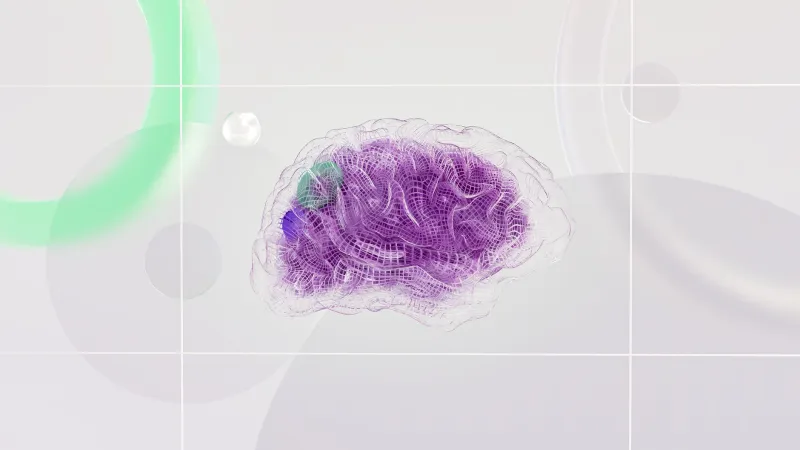
Let's be real for a second. You open a tab with every intention of watching one video, maybe two. An hour later, you're deep in a rabbit hole you didn't plan to visit, and the original reason you came online is a distant memory. Sound familiar? You're not weak-willed. You're not broken. You're just human — and platforms like this one are built, at least in part, around the same neurological machinery that makes slot machines so hard to walk away from.
That's not a condemnation. It's just the truth. And understanding it puts the power back in your hands.
The Dopamine Loop, Explained Without the Jargon
Dopamine gets a lot of press as the "pleasure chemical," but that's only half the story. Neuroscientists increasingly describe it as the anticipation chemical. It spikes not when you get the reward, but in the moments right before — the scroll, the thumbnail hover, the autoplay countdown. Your brain is essentially running a prediction engine, and every time that engine fires correctly, it gets a little reinforcement nudge.
Dr. Anna Lembke, a Stanford psychiatrist and author of Dopamine Nation, has described this cycle as a "pleasure-pain balance." Every time your brain gets a hit of dopamine, it compensates by tipping slightly toward discomfort afterward. That mild restlessness you feel when you close the browser? That's your neurochemistry recalibrating. And the fastest way to relieve it, your brain helpfully suggests, is to open the tab again.
Adult content is particularly effective at triggering this loop because it engages multiple reward systems simultaneously — visual stimulation, novelty-seeking, and in some cases, social validation dynamics. The brain doesn't distinguish between a "real" encounter and a screen-mediated one in the way we might consciously expect it to.
How Algorithms Learned to Speak Dopamine
Here's where it gets interesting — and a little uncomfortable. Modern recommendation engines aren't just showing you content you've liked before. They're optimized to keep you in a state of wanting to see what's next. That's a subtle but critical distinction.
These systems learn your hesitation points — the moments where you're most likely to close the browser — and they serve up something just novel enough to hold your attention. Behavioral data from millions of users gets fed into models that essentially map the contours of human curiosity and desire, then exploit every dip and peak.
This isn't unique to adult platforms. Netflix, TikTok, and YouTube operate on similar principles. But adult content adds layers of biological urgency that other media doesn't have. The result is a feedback system that's genuinely difficult to exit gracefully.
Behavioral therapist Marcus Webb, who works with clients navigating compulsive digital habits, puts it plainly: "The algorithm isn't malicious. It's just very, very good at its job. The problem is that its job and your wellbeing aren't always the same thing."
Compulsion vs. Preference: Knowing the Difference
Not everyone who watches a lot of adult content has a problem. Frequency alone isn't the metric. The more useful question is whether your viewing habits are interfering with things you actually value — your relationships, your work, your sleep, your sense of self.
Some useful checkpoints:
- Do you feel worse after a session than before it started? Mild post-viewing restlessness is normal. Persistent shame, irritability, or a sense of lost time is worth paying attention to.
- Are you watching to feel good, or to avoid feeling bad? The former is recreational. The latter is closer to self-medication, and it's worth examining what you might be numbing.
- Has it crept into time you didn't intend to give it? If you're consistently watching longer than planned, that's the algorithm winning, not you choosing.
None of this is meant to moralize. Plenty of people have perfectly healthy, intentional relationships with adult content. The goal here is self-awareness, not self-flagellation.
Practical Moves for Staying in the Driver's Seat
The good news: your brain is also plastic. The same neurological flexibility that makes habits form can be used to reshape them. Here are strategies that behavioral researchers actually back:
Set an entry intention. Before you open a tab, spend ten seconds deciding what you actually want from this session — duration, mood, content type. It sounds almost comically simple, but it interrupts the automatic pilot mode that algorithms depend on.
Use friction deliberately. Browser extensions like Cold Turkey or Freedom can block specific sites during hours you've designated for other things. The goal isn't abstinence — it's creating a small pause between impulse and action. That gap is where choice lives.
Watch your transition habits. A lot of binge sessions start during low-stimulation transitions — the gap between tasks, the moment before sleep, the first five minutes of a lunch break. Identifying your personal trigger windows gives you a chance to route that energy elsewhere before the loop starts.
Log it, at least briefly. Keeping a simple note — even just a timestamp and a one-word mood check — builds metacognitive awareness over time. You start to see patterns your conscious mind glosses over.
Don't shame-spiral. Guilt and shame are actually terrible motivators for behavioral change. They increase stress, which increases the urge to self-soothe, which often leads right back to the behavior you were trying to moderate. Self-compassion isn't soft — it's neurologically smarter.
When to Bring in Backup
If self-directed strategies aren't moving the needle and you're genuinely concerned about your habits, that's not a character flaw — it's just a sign that you might benefit from professional support. Therapists who specialize in compulsive behaviors and digital health are increasingly common and accessible via telehealth. Organizations like the Society for the Advancement of Sexual Health (SASH) offer directories of clinicians who approach these issues without judgment.
The point isn't to stop watching. It's to watch because you want to — not because your dopamine circuitry has quietly taken the wheel.
Knowing how the machine works is the first move. Everything else follows from there.