Lock It Down: The No-BS Privacy Guide for Watching Adult Content Online
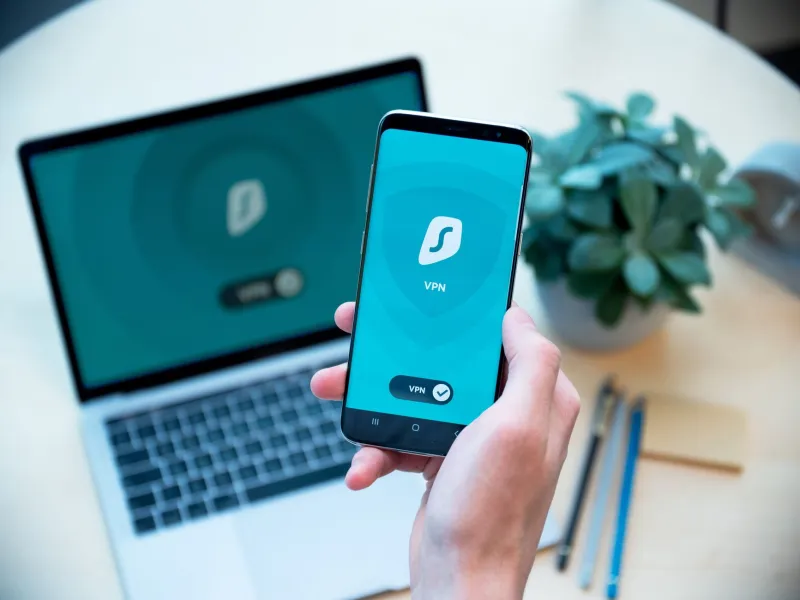
Let's be real for a second. Incognito mode doesn't do what most people think it does. Your ISP can still see your traffic. Your router logs exist. Your browser fingerprint is more unique than your actual fingerprint. And data brokers are in the business of connecting dots you didn't even know you were leaving.
Here at FikFap, we believe what you do in your personal time is exactly that — personal. So whether you're new to thinking about digital privacy or you've been down the rabbit hole before, this guide is going to give you the practical, no-fluff rundown on protecting yourself when you're online enjoying adult content.
No judgment. Just information.
Why Privacy Matters More Than You Think
Before we get into tools and tactics, let's acknowledge why this stuff actually matters. Privacy isn't just for people with something to hide — that framing has always been a manipulation tactic. Privacy is a baseline human right, and your browsing history, payment records, and device activity are deeply personal data points.
In the US, your Internet Service Provider is legally permitted to collect and sell your browsing data. Data brokers aggregate information from dozens of sources to build detailed profiles. Employers, insurance companies, and even personal contacts can potentially access information about your online activity through various direct and indirect channels.
For adult content specifically, there's also the very real concern of data breaches. Several high-profile adult platform breaches have exposed user data over the years, including email addresses, usernames, and in some cases payment information. Taking privacy seriously isn't paranoia — it's just sensible digital hygiene.
VPNs: What They Actually Do (and What They Don't)
A Virtual Private Network is the most commonly recommended privacy tool, and for good reason — but it's also the most misunderstood.
What a VPN does: It encrypts your internet traffic between your device and the VPN server, masking your activity from your ISP and anyone monitoring your local network. It also masks your real IP address from the websites you visit, replacing it with the VPN server's IP.
What a VPN doesn't do: It doesn't make you completely anonymous. If you're logged into a Google account, they still know who you are. If you've accepted tracking cookies, those follow you. A VPN is one layer of protection, not a magic cloak.
For US users specifically, choosing a VPN with a no-logs policy that has been independently audited is critical. You want a provider that genuinely cannot hand over your browsing history because they don't store it — not one that just promises they won't. Look for providers headquartered outside US jurisdiction (ideally in privacy-friendly countries like Switzerland, Iceland, or Panama) to reduce exposure to domestic legal requests.
Speed matters too. A VPN that throttles your connection to the point where streaming becomes unwatchable is useless in practice. Look for providers with large server networks and strong performance benchmarks for streaming use cases specifically.
Browser Choices and Settings That Actually Help
Your browser is a privacy battleground. Chrome, despite being convenient, is essentially a data collection tool for Google. Firefox with privacy-focused extensions is a significantly better choice for most users. Brave browser comes pre-configured with aggressive tracking protection and is worth a look if you want something more plug-and-play.
Regardless of which browser you use, a few settings and extensions make a meaningful difference:
- uBlock Origin: The gold standard for ad and tracker blocking. Free, lightweight, and genuinely effective.
- Cookie AutoDelete: Automatically clears cookies from sites you're no longer visiting, limiting cross-site tracking.
- HTTPS Everywhere: Forces encrypted connections wherever available (increasingly redundant as HTTPS becomes standard, but still useful).
- Canvas Blocker or similar fingerprint protection: Browser fingerprinting is a tracking method that doesn't rely on cookies at all — it identifies your browser by its unique configuration. Blocking or randomizing this data adds a meaningful layer of anonymity.
Also worth noting: DNS queries are often overlooked. Even with a VPN, your DNS requests can leak information. Use a privacy-respecting DNS resolver (like Cloudflare's 1.1.1.1 with the privacy settings enabled, or NextDNS) and make sure your VPN handles DNS internally rather than passing it to your ISP.
Paying Privately: Protecting Your Financial Footprint
Credit card charges from adult platforms show up on statements. Shared accounts, curious partners, or anyone with access to your banking records can see exactly where you spent money. This is a real-world privacy concern that often gets overlooked in the technical privacy conversation.
Some practical options:
Prepaid debit cards: Available at most US drugstores and grocery stores, these can be purchased with cash and used online without linking to your real identity. They're not perfect — many require registration — but they add a layer of separation from your primary financial accounts.
Privacy.com virtual cards: This service generates single-use or merchant-locked virtual card numbers tied to your real bank account. The merchant sees a virtual card number, not your actual account. Statements from Privacy.com can be customized to show neutral descriptions.
Cryptocurrency: For maximum payment privacy, crypto remains the strongest option. Bitcoin is traceable on the blockchain, but privacy-focused coins or Bitcoin mixed through proper channels offer meaningful anonymity. Many adult platforms now accept crypto payments specifically because users request it.
Device Management: Keeping Your Personal and Private Life Separate
One underrated privacy practice is simply using separate devices or browser profiles for different areas of your life. A dedicated browser profile for adult content browsing — with its own cookie jar, extensions, and settings — prevents bleed-over into your work or general browsing sessions.
If you're on a shared device, browser profiles with password protection are a basic but effective solution. For users on mobile, some privacy-focused browsers offer built-in private modes that genuinely clear session data on exit.
Also consider where your device syncs data. If your browsing history syncs to a cloud account that family members or colleagues might access, that's a vulnerability. Review your sync settings and consider keeping adult browsing activity in a non-synced profile or browser.
The Bottom Line
Privacy isn't about shame. It's about control — specifically, your right to control who knows what about you and when. The tools to protect yourself are widely available, mostly free or low-cost, and not particularly complicated to implement.
Start with a reputable VPN, swap Chrome for Firefox or Brave, install uBlock Origin, and think about how you're paying for subscriptions. Those four steps alone will dramatically reduce your digital exposure compared to the average user.
You're here to enjoy yourself. You shouldn't have to think twice about your privacy to do it.