Deplatformed, Gagged, Then Served Papers: How Platform Rule Changes Are Becoming a Legal Trap for Adult Creators

You built your business on a platform. You read the terms, followed the rules, built an audience, and started making real money. Then one morning you woke up to a suspension notice, a frozen payout, and an email from a lawyer — and suddenly the ground you thought you were standing on turned out to be quicksand.
This isn't a hypothetical. It's a pattern that's been repeating across adult platforms for years, and it's getting more common, not less. Creators are learning the hard way that the agreement they signed to join a platform and the agreement that actually governs their account on any given day can be two very different things.
The Terms of Service Trap
Here's something most creators don't fully absorb when they're signing up: virtually every major platform reserves the right to modify its terms of service at any time, with minimal notice, and your continued use of the platform constitutes acceptance of those changes.
In plain English: the rules can change whenever the platform wants them to, and by logging in the next day, you've legally agreed to the new rules — even if you never read them.
For creators on adult platforms, this creates a genuinely dangerous situation. Content that was explicitly permitted when you uploaded it can become a policy violation retroactively. Account behaviors that were standard practice — certain promotional methods, specific content categories, particular tagging approaches — can flip from allowed to prohibited with a single policy update.
And here's where it gets really messy: platforms often enforce new policies inconsistently. Some accounts get flagged immediately. Others running identical content continue operating without issue for months. That inconsistency isn't an accident — it's a structural feature of how these systems work, and it gives platforms enormous discretion over who gets caught in the net.
Real Situations, Real Damage
The specifics of individual cases are difficult to report on fully because many creators who've been through platform enforcement actions sign NDAs as part of any settlement or appeal process. But the general shape of these situations is consistent enough to describe.
One pattern involves creators whose accounts were suspended mid-payout cycle, leaving substantial earnings frozen in limbo. Platform terms typically allow for funds to be held — or in some cases forfeited — when an account is terminated for policy violations. A creator who built up a significant balance before their account was flagged can lose access to money they'd already earned under the rules as they existed at the time.
Another pattern involves creators who were explicitly approved for certain content categories during an onboarding process, only to have that category reclassified as prohibited following a policy update. When they appeal, they're told the approval they received no longer applies. The approval is treated as superseded by the new policy — even though the creator made business decisions based on that original approval.
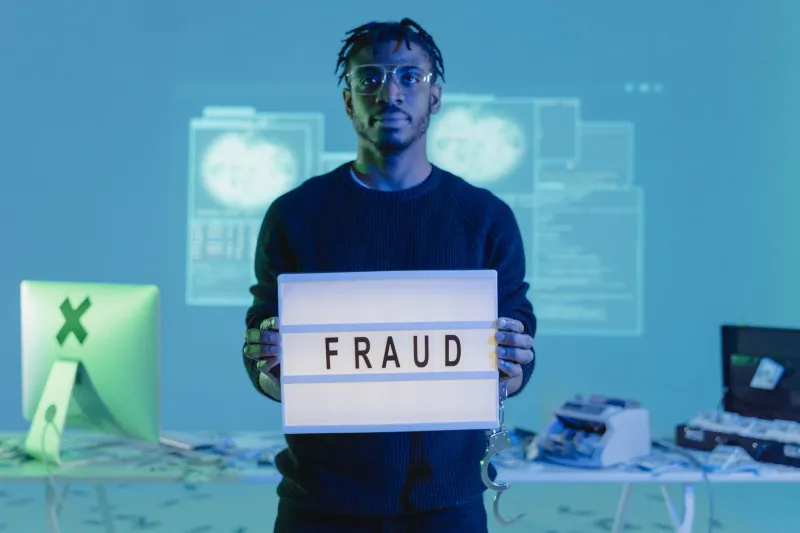
A third pattern — and this is where legal exposure gets serious — involves creators who received chargebacks or fraud claims on their accounts following a suspension. Without access to their account to dispute those claims, and with platforms sometimes cooperating minimally with creator appeals, some creators have found themselves facing collection actions or credit damage on top of lost income.
The Gap Between Agreement and Reality
Legal experts who work with content creators point to a fundamental asymmetry in how platform agreements are structured. The creator takes on specific obligations — content standards, age verification requirements, identity verification — with real legal consequences for non-compliance. The platform's obligations to the creator are far more loosely defined and far easier for the platform to modify or exit.
Creator advocacy attorneys consistently note that standard platform agreements give creators almost no meaningful recourse when a platform acts against them. Arbitration clauses limit the ability to sue. Class action waivers prevent creators from joining forces. Jurisdiction clauses often require disputes to be resolved in states or legal venues that are impractical for the individual creator to access.
This isn't unique to adult platforms — it's a feature of most platform agreements in the digital economy. But adult creators face additional exposure because the legal and reputational stakes of their account activity are higher, and because the regulatory environment around adult content is genuinely shifting, which gives platforms additional cover to change policies in ways that disadvantage creators.
What Legal Protection Actually Looks Like
The honest answer is that no creator can fully insulate themselves from platform risk. But there are concrete steps that meaningfully reduce exposure.
Screenshot and archive everything. Every approval email, every support response, every policy document as it exists on the day you read it. Platforms have been known to update policy pages without changing dates or changelogs. Having timestamped evidence of what the policy said when you made a specific decision is valuable if a dispute ever escalates.
Never let your full earnings sit on a platform. Withdraw regularly. Treat your platform balance the way you'd treat cash in a wallet — keep only what you need for immediate operations and move the rest somewhere you actually control.
Understand what your platform agreement actually says about account termination and fund forfeiture. This is uncomfortable reading, but it matters. If your agreement says funds can be forfeited on a policy violation, you need to know that before it happens to you.
Consult with a creator-focused attorney before you need one. Several law firms now specialize in digital creator representation. Getting a one-hour consultation to understand your specific risk profile costs a fraction of what you'd spend trying to recover after a crisis.
Build off-platform. Every subscriber you have a direct contact for — an email, a phone number through a compliant SMS platform — is a subscriber you don't lose when a platform takes action against your account.
The Bigger Picture
Platform volatility isn't a bug in the adult creator economy. It's a structural feature driven by legal pressure, payment processor relationships, and the platforms' own need to manage regulatory risk. That's not going to change. What can change is how prepared individual creators are when the ground shifts under them.
The creators who navigate platform volatility best aren't the ones who trust that the rules will stay fair. They're the ones who planned for the rules to change — and built accordingly.